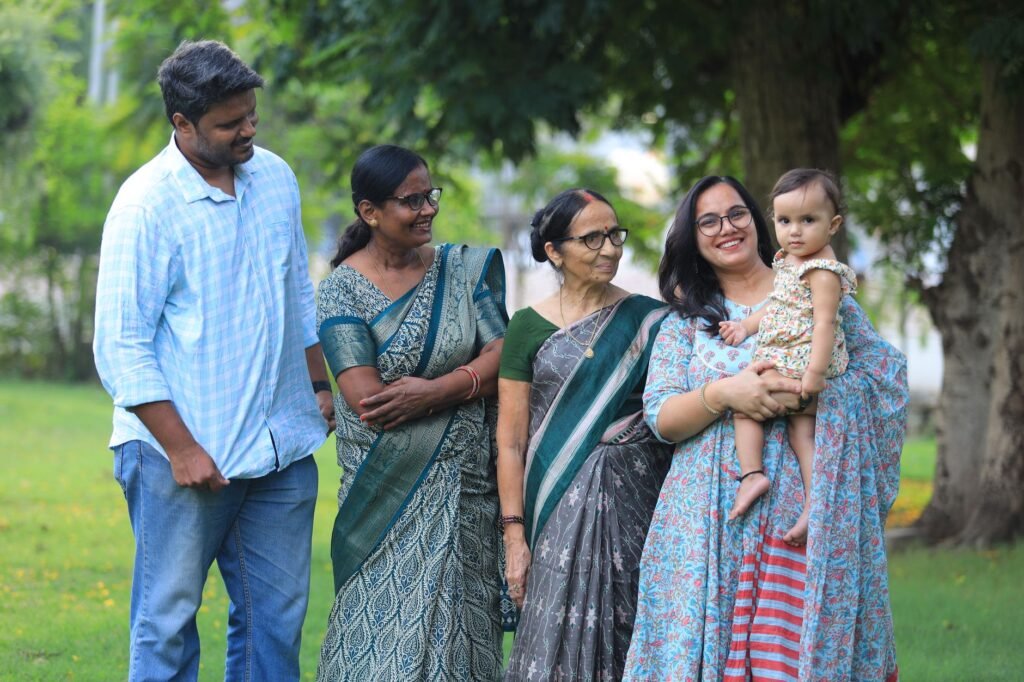
Generations of Hindustani families gathered in The Hague for the Milan Summer Festival, an event whose name means coming together. The grounds featured food stalls, multiple stages with dancing, and a village dedicated to broader Surinamese cultures.
Stalls across the site served dishes including panipuri, bara, phulauri, roti, and telo trie, alongside the sweet pink coconut drink dawet.
In the Ala Kondre village, which represents various Surinamese backgrounds, visitors found stalls from Javanese, Indigenous, Chinese, and Creole communities, including a cooking competition using kwikwi fish.
Shifting traditions across generations
For younger attendees, cultural identity often blends several countries. Shivesh Radhoe, 24, described being Hindustani as a mix of India, Suriname, and the Netherlands, noting that while he speaks only a little of the Sarnámi language, traditions like Divali and cultural foods remain central.
Older visitors also observed how customs and language are shifting over time. Priest Surya Prasad, 78, noted that while his children have become quite westernised, several of his grandchildren still speak Dutch, English, and Hindustani.
Prasad, who has spent nearly three decades helping people find marriage partners through matchmaking forms, noted that modern dating attitudes have also evolved.
While some families remain traditional, he emphasised that the final choice rests entirely with the couples themselves in an increasingly multicultural society.